ZEN-ELEGANCETHE MATERIALS & CRAFT JOURNAL
Menu

THE ZEN-ELEGANCE JOURNAL

A closer look at
the things we wear.

Material stories, thoughtful style, and practical care. Explore 126 long-form articles across six collections, or search for a detail that interests you.

Jade · 10 MIN READ

Choosing a Jade Bangle by Shape, Color, and Visual Presence

Once a safe, comfortable fit has been established, a jade bangle offers many design choices beyond a nominal size. This guide explores band profile, width, weight, color distribution, surface finish, sleeve relationships, and the visual rhythm of movement. It helps you compare actual pieces thoughtfully while keeping appearance, material disclosure, condition, and documentation as distinct parts of the decision.

Read the story
Jade · 10 MIN READ

Choosing a Jade Pendant: Proportion, Construction, and Everyday Wear

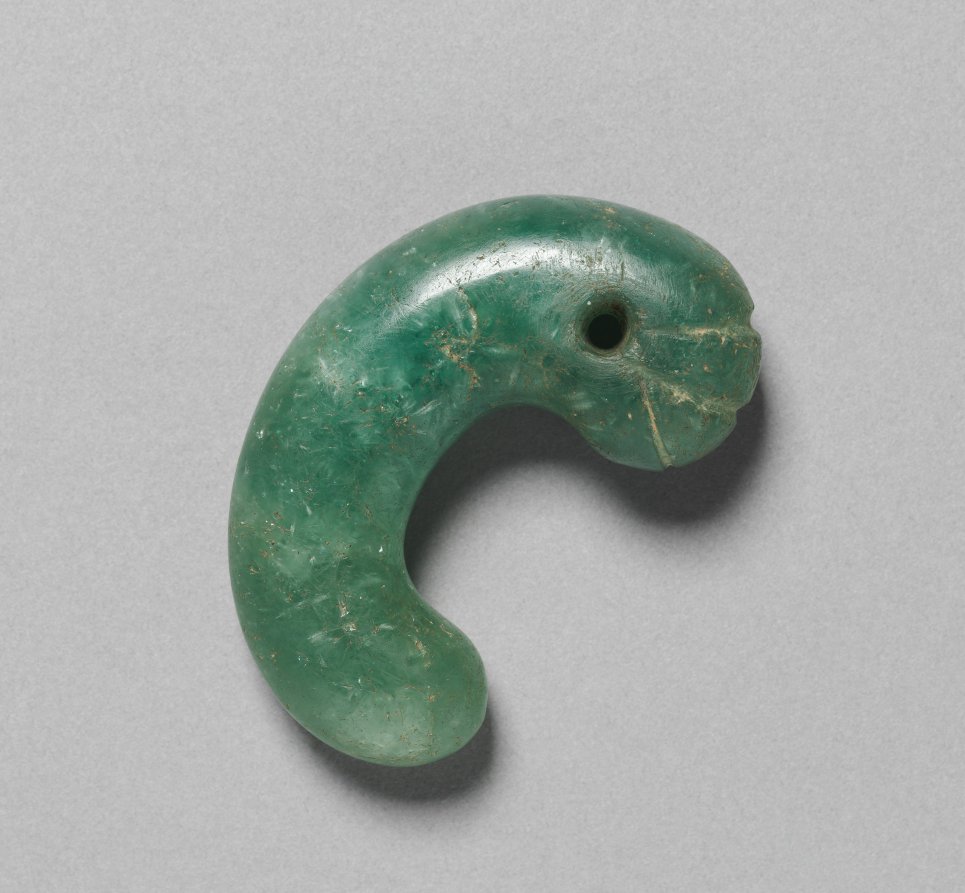
A jade pendant is a small composition of stone, suspension, chain or cord, and the clothes around it. This guide considers scale, thickness, balance, carved openings, metal fittings, and practical care. It offers a way to compare individual pieces thoughtfully, with attention to the reverse and the hanging mechanism as well as the color and carving that first attract the eye.

Read the story

Jade · 10 MIN READ

Giving Jade Jewelry Without Guessing the Recipient’s Preferences

A thoughtful jade gift begins with the recipient’s life rather than a dramatic claim about the stone. This guide considers fit, jewelry form, personal style, symbolism, documentation, exchange arrangements, and the note that accompanies the piece. It explains how to preserve the pleasure of a gift while leaving room for the recipient to choose, and why practical clarity can make a present more personal.

Read the story

Jade · 10 MIN READ

Finding a Jade Bangle That Fits Your Hand and Your Day

A jade bangle must pass over the hand before it can sit comfortably at the wrist. This practical guide explains inner measurements, profile, weight, movement, and fitting appointments, with careful distinctions between a promising measurement and a safe physical fit. Learn how to compare bangles without forcing a rigid piece over your knuckles or treating one sizing chart as universal.

Read the story

Jade · 10 MIN READ

Choosing Jade Bead Bracelets as Complete Designs

A bead bracelet is more than a row of stones. Bead size, spacing, color rhythm, stringing, knot placement, and the finished circumference all shape how it looks and feels. This guide offers a practical way to compare jade bead bracelets, understand what a report covers, plan maintenance, and choose a construction that suits everyday wear without relying on vague prestige language.

Read the story

Jade · 10 MIN READ

A Practical Care Routine for Jade Jewelry

Jade care is most useful when it responds to the whole piece: stone, cord, metal, finish, and any disclosed treatment. This guide builds a cautious routine around observation, gentle handling, appropriate cleaning, and timely professional advice. It explains why cleaning, repair, and authentication are different tasks, and why elaborate rituals or aggressive home remedies are unnecessary for enjoying a well-kept accessory.

Read the story

Jade · 10 MIN READ

Understanding Jade Color in Ordinary Light

Jade color is experienced through light, thickness, surrounding colors, surface finish, and the display used to view a photograph. This guide offers a practical method for comparing appearances without confusing visual preference with authentication. Learn how to request useful images, assess color distribution, build a wearable palette, and make a considered choice when poetic names and dramatic lighting complicate the picture.

Read the story

Jade · 10 MIN READ

Wearing Jade in an Everyday Wardrobe

Jade can sit comfortably within a contemporary wardrobe without requiring a themed outfit or an elaborate styling rule. This guide explores scale, color, texture, neckline, sleeve, metal, and accessory relationships through practical outfit decisions. It offers ways to build a few dependable combinations, adjust them for different settings, and keep comfort and care present while allowing personal taste to lead.

Read the story

Jade · 10 MIN READ

Building an Honest Record for an Heirloom Jade Piece

An heirloom record can preserve both family meaning and factual uncertainty. This guide shows how to photograph a jade object, collect documents, record recollections, distinguish sources, and document repairs without inventing an authoritative history. It also offers practical ways to organize digital and paper files so that a future recipient can understand what is known, what is remembered, and what remains unresolved.

Read the story

Jade · 10 MIN READ

What You Can and Cannot Learn by Looking at Jade

A careful visual inspection can reveal useful questions about a jade object, but it cannot settle every claim about identity, treatment, origin, or age. This guide explains how to describe observations without overinterpreting them, organize a sensible examination, and decide when professional testing is appropriate. It also considers photographs, seller demonstrations, report matching, and the information worth keeping after a purchase.

Read the story

Jade · 10 MIN READ

Jade Polish and Surface: When More Shine Is Not the Answer

A change in a jade surface can involve light, residue, wear, an existing finish, or a condition issue that needs examination. This guide explains how to look at gloss thoughtfully, distinguish cleaning from refinishing, and ask useful questions before intervention. It also considers older pieces, carved details, mounted jewelry, documentation, and why a bright reflection is not an authenticity test.

Read the story

Jade · 10 MIN READ

Questions to Ask Before Buying Jade Jewelry

A useful jade-buying conversation is specific, courteous, and recorded in writing. This guide organizes questions about the actual item, material identity, treatment disclosure, dimensions, construction, condition, documentation, care, and commercial terms. It helps buyers recognize incomplete answers without relying on aggressive negotiation or home authenticity tests, and explains how to decide which uncertainties matter enough to pause a purchase.

Read the story

Jade · 10 MIN READ

Approaching Jade Symbolism with Curiosity and Respect

Jade objects can carry cultural, religious, artistic, and personal meanings, but those meanings should not be reduced to universal promises about health or good fortune. This guide offers a respectful way to learn about motifs, use museum records, distinguish historical context from modern marketing, and choose contemporary jewelry. It also explains how personal appreciation can remain meaningful while acknowledging uncertainty and cultural difference.

Read the story

Jade · 10 MIN READ

Jade Treatments: Reading Disclosures Without Guesswork

Treatment language can be confusing when jade is sold with shorthand grades, romantic color names, or an unexplained promise of natural origin. This guide separates material identity from treatment status, explains the limits of photographs and home tests, and offers a practical way to request written disclosures. It also considers care, documentation, and why a clearly described treated piece should be evaluated on its actual terms.

Read the story

Jade · 10 MIN READ

Jadeite or Nephrite: Choosing by Material, Design, and Use

Jadeite and nephrite share a familiar name in jewelry, yet choosing between them is more useful when it begins with the actual object rather than a hierarchy of prestige. This guide compares terminology, appearance, design, documentation, and ownership considerations. It explains why two material names cannot replace attention to carving, fit, condition, treatment disclosure, or the personal reasons a piece appeals to you.

Read the story

Jade · 10 MIN READ

Looking at Jade Carving Beyond the Amount of Detail

A carved jade piece rewards attention to silhouette, proportion, color placement, open space, and the transition between surfaces. This guide offers a practical way to look at craftsmanship without equating complexity with quality or guessing age from tool marks. It considers front and reverse views, everyday scale, maker explanations, documentation, and the difference between a compelling design and an unsupported story.

Read the story

Jade · 10 MIN READ

Modern Jade Design: Restraint, Structure, and Material Character

Contemporary jade jewelry can be modern through proportion, construction, and the way it allows material character to remain visible. This guide examines negative space, geometry, color placement, mixed materials, suspension, finish, and wearability. It also considers how designers can refer to historical forms accurately, and how a buyer can evaluate the actual object without confusing minimal detail with thoughtful simplicity.

Read the story

Jade · 10 MIN READ

Photographing Jade Jewelry with Honest Color and Useful Detail

A useful photograph should help someone understand a jade object rather than make it appear to be a different one. This guide offers a practical approach to lighting, backgrounds, scale, angles, reflections, focus, editing, and file records. It distinguishes attractive presentation from technical evidence and explains why several representative views usually communicate more than a single dramatic close-up.

Read the story

Jade · 10 MIN READ

How to Read a Jade Report Without Adding Claims It Does Not Make

A gemological report is useful when its findings are understood in relation to the specific object examined. This guide walks through document matching, identification language, treatment comments, verification, and the distinction between laboratory findings and seller narratives. It also explains what to ask about strands, mounted jewelry, old reports, appraisals, and the uncertainties that may remain after a report has been read carefully.

Read the story

Jade · 10 MIN READ

Storing Jade Jewelry So It Is Easy to Find and Safe to Handle

Good storage supports ordinary use: pieces remain separated, attachment points are not under strain, and the owner can find and return each object easily. This guide considers bangles, pendants, bead bracelets, display, documents, cleaning status, and shared household routines. It offers a practical way to organize a small collection without assuming that an expensive box or a complicated system automatically provides better care.

Read the story

Jade · 10 MIN READ

Traveling with Jade Jewelry: A Practical Packing Plan

Travel changes how jewelry is handled, stored, and worn. This guide focuses on selecting a small useful collection, separating pieces, keeping documents accessible, planning temporary storage, and avoiding rushed handling in unfamiliar places. It distinguishes practical packing habits from legal or insurance questions, which should be checked with the relevant current official sources and providers for the specific journey.

Read the story

Stones · 11 MIN READ

Amethyst in an Everyday Wardrobe: A Practical Styling Study

Purple jewelry can feel quiet, graphic, or expressive depending on what surrounds it. Explore amethyst with plain shirts, knitwear, denim, dark tailoring, varied metal finishes, and carefully chosen patterns. This guide focuses on using an existing piece comfortably and repeatedly, with attention to placement, movement, occasion, and the small adjustments that turn an attractive object into a familiar accessory.

Read the story

Stones · 10 MIN READ

Choosing Amethyst by Color, Cut, and Everyday Appearance

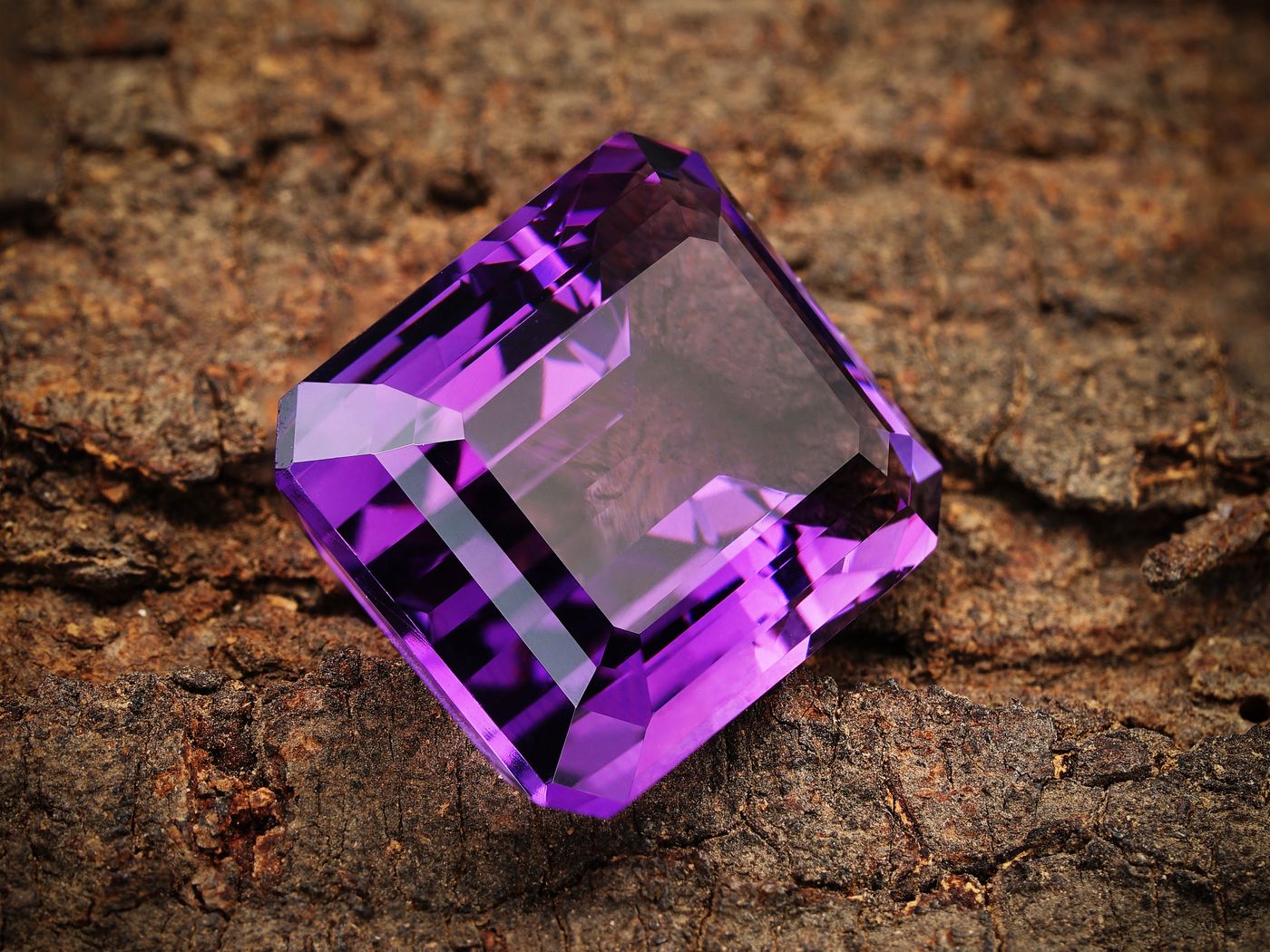
Purple is only the start of an amethyst comparison. Explore light and dark areas, face-up appearance, cutting choices, settings, photographic limitations, and the difference between a seller's quality label and an independent standard. This guide helps you select a piece for its actual wearing character while keeping treatment, identity, and origin claims in their proper place.

Read the story

Stones · 10 MIN READ

Choosing a Tiger Eye Bracelet That Fits Your Everyday Life

A satisfying bead bracelet depends on much more than its most photogenic stone. Explore wrist measurement, bead scale, internal circumference, stringing, closures, and the practical differences between an easy slip-on strand and a fitted clasp design. This guide connects the warm appearance of tiger eye with the daily movements, sleeves, and habits that determine comfortable wear.

Read the story

Stones · 10 MIN READ

Clear Quartz Jewelry: Designing With Transparency and Light

Colorless does not mean visually empty. Clear quartz can introduce reflections, visible depth, and changing relationships with the surface behind it. Explore smooth and faceted forms, inclusions, open settings, scale, and surrounding metal. This guide helps you choose a transparent design for its actual appearance while keeping identity, natural origin, and treatment claims separate from what the eye can see.

Read the story

Stones · 10 MIN READ

Reading Cultural Meaning in Bead and Stone Jewelry

Beads and stones can carry devotional, social, personal, and decorative meanings, but those meanings are not interchangeable across communities. Learn to read museum descriptions, ask makers precise questions, distinguish a modern interpretation from a documented tradition, and approach inscriptions or symbolic forms thoughtfully. This guide keeps cultural context and personal meaning separate from unsupported promises about health, protection, or success.

Read the story

Stones · 10 MIN READ

Obsidian Bracelets and the Design of Everyday Movement

A dark bead bracelet can look simple while containing many design decisions. Explore how obsidian beads move around the wrist, meet sleeves and desks, interact with metal accents, and depend on hidden stringing. This guide connects a restrained visual rhythm with practical wearing habits, maintenance planning, and the differences between a display photograph and daily use.

Read the story

Stones · 10 MIN READ

What an Obsidian Jewelry Photograph Can and Cannot Tell You

Dark polished jewelry is difficult to judge from one image. Learn to read reflections, request useful angles, distinguish appearance from identification, and evaluate the information surrounding an obsidian listing. This guide offers a practical method for comparing online pieces while keeping claims about natural origin, treatment, provenance, condition, and craftsmanship separate from what a photograph actually shows.

Read the story

Stones · 10 MIN READ

A Practical Care Routine for Obsidian Jewelry

A glossy black surface can hide dust, fingerprints, and small changes in condition. Build a practical care routine for obsidian jewelry that accounts for volcanic glass, vulnerable edges, settings, cords, and metal finishes. Learn what to inspect, how to store pieces, and when cleaning should give way to professional assessment rather than an improvised home treatment.

Read the story

Stones · 10 MIN READ

Designing Around Obsidian: Why Pendant Settings Matter

Obsidian can make a striking pendant, but its appeal depends on the frame as much as the dark polished surface. Explore protective settings, edge exposure, bail proportions, chain compatibility, weight, and practical wear. This guide helps you evaluate a complete pendant without confusing visual strength with resistance to impact or accepting a dark photograph as identification.

Read the story

Stones · 10 MIN READ

Obsidian and Silver: Designing With Darkness, Shine, and Space

Black obsidian and silver-colored metal can create a crisp contrast, but the strongest designs depend on proportion, finish, and construction rather than color alone. Explore broad frames, narrow rims, engraved details, open space, suspension, and mixed finishes. This guide also explains the material questions that help a visually simple object remain comfortable, understandable, and maintainable over time.

Read the story

Stones · 10 MIN READ

Reading Bead Jewelry Measurements Before You Buy

A few millimeters can change how a strand looks, fits, and moves. Learn to read bead diameter, bracelet circumference, necklace length, hole size, and total weight without treating them as interchangeable specifications. This guide uses practical comparisons to connect online measurements with the physical experience of natural-stone jewelry and to identify the questions a listing still needs to answer.

Read the story

Stones · 10 MIN READ

Reading the Moving Light in Tiger Eye Jewelry

Tiger eye rewards looking slowly. This guide explains how a moving band of reflected light changes across beads, cabochons, and pendants, why lighting matters when comparing pieces, and which observations belong to appearance rather than identification. Learn to ask for useful photographs and judge a design without mistaking a dramatic image for proof of quality.

Read the story

Stones · 10 MIN READ

One Material, Different Objects: Caring for Rose Quartz Jewelry

A rose quartz ring, a knotted necklace, and a carved pendant do not share every care requirement. Explore how settings, holes, stringing, finishes, and delicate shapes change the practical routine around the same named material. This guide helps you read instructions for the complete object, recognize changes worth checking, and plan storage and repair without relying on a universal cleaning shortcut.

Read the story

Stones · 10 MIN READ

Rose Quartz Beyond Pink: Translucence, Scale, and Jewelry Design

Rose quartz often looks softly luminous rather than sharply transparent. Explore how translucence, size, surface finish, and surrounding metal influence its appearance in beads, pendants, and earrings. This guide explains why a pale photograph is not a complete quality judgment and helps you choose a design for its real visual character, with sensible questions about treatment and care.

Read the story

Stones · 10 MIN READ

Selecting Loose Tiger Eye Beads for a Jewelry Project

A successful bead project begins with a clear specification rather than the brightest photograph. Learn to plan quantity, size, matching, hole compatibility, focal elements, and spare components when choosing loose tiger eye beads. This guide also explains useful supplier questions, realistic limits of visual inspection, and how to preserve an arrangement for a professional stringer or future repair.

Read the story

Stones · 10 MIN READ

Snowflake Obsidian Jewelry: Choosing Pattern, Contrast, and Scale

Snowflake obsidian introduces pale patches into a dark volcanic-glass background, creating a pattern that changes with size and arrangement. Explore the material's geological description, the difference between a specimen and a wearable design, and practical ways to evaluate pendants, beads, and paired pieces. This guide emphasizes exact-item photographs, thoughtful composition, and clear limits on identification claims.

Read the story

Stones · 10 MIN READ

Building a Useful Photo Record of Your Stone Jewelry

A practical jewelry photograph is different from a dramatic product image. Learn to record complete objects, important connections, distinctive patterns, dimensions, and changes in condition using a simple repeatable setup. This guide explains how to make images useful for care and repair conversations while recognizing the limits of photography for identification, valuation, provenance, and hidden damage.

Read the story

Stones · 10 MIN READ

Golden, Red, and Blue Tiger Eye: Understanding Color Descriptions

Color names can make tiger eye listings sound more precise than they really are. Learn to separate a visible golden, red, or blue tone from claims about identity, treatment, and origin. This practical guide explains fair photographic comparisons, useful seller questions, and how to choose a palette without relying on unsupported rarity or naturalness claims.

Read the story

Stones · 10 MIN READ

Tiger Eye Necklaces: Rhythm, Drape, and Focal Beads

A tiger eye necklace is a composition that changes as it hangs and moves. Explore graduated strands, repeated beads, focal elements, metal spacing, clasp placement, and the relationship with a neckline. This guide helps you judge the whole necklace rather than one impressive bead and connects its visual rhythm with comfortable weight, useful dimensions, and maintainable construction.

Read the story

Stones · 11 MIN READ

Building a Quiet Wardrobe Around Tiger Eye Jewelry

Tiger eye brings pattern as well as color to an outfit. Explore how its warm stripes interact with plain knits, crisp shirts, denim, dark tailoring, metal finishes, and other accessories. This guide develops practical styling experiments for a restrained wardrobe, with attention to scale, texture, comfort, and the changing appearance of the material under ordinary light.

Read the story

Stones · 10 MIN READ

Traveling With Stone Jewelry: Packing for Use, Care, and Return

Travel changes the way jewelry is handled, stored, and removed during the day. Build a practical packing plan for bead strands, carved pendants, rings, and mixed-material pieces without treating every stone as equally durable. This guide focuses on choosing a small useful selection, separating components, preserving care information, and creating routines that continue after you arrive and return home.

Read the story

Wood & Beads · 10 MIN READ

Agarwood Jewelry: A Thoughtful Buyer's Guide Beyond the Scent

Agarwood bracelets invite attention through subtle grain, restrained color, and an association with fragrance. Choosing one well requires more than a memorable scent. This guide explains how to read a description, question provenance, evaluate construction, understand the limits of visual identification, and decide whether a particular piece suits your wardrobe, care habits, and expectations before making a purchase.

Read the story

Wood & Beads · 10 MIN READ

Agarwood Scent Claims: How to Compare Descriptions Without Mistaking Aroma for Proof

Fragrance language can make an agarwood bracelet sound vivid while leaving essential questions unanswered. This guide separates personal scent impressions from material identification and product evidence. Learn to read sensory descriptions, ask about added fragrance, recognize the limits of comparing photographs and memories, and decide whether a scented accessory suits your preferences without destructive experiments or unsupported promises.

Read the story

Wood & Beads · 10 MIN READ

Commissioning Wooden Jewelry: From a Clear Brief to a Wearable Finished Piece

A custom wooden accessory works best when maker and wearer share a practical understanding of the design. This guide explains how to prepare a brief, discuss materials, establish dimensions, review layouts, define approvals, and plan aftercare. Learn to communicate preferences without overprescribing technique, manage natural variation, and keep the commission focused on a piece you will actually enjoy wearing.

Read the story

Wood & Beads · 10 MIN READ

Comparing Wooden Jewelry Online: A Worked Method Using Three Hypothetical Listings

Online jewelry listings can be difficult to compare when one emphasizes rarity, another provides measurements, and a third relies on photographs. This guide uses three clearly hypothetical wooden bracelet listings to demonstrate a practical review method. Learn to separate disclosed facts from missing information, ask targeted questions, assess fit and service, and make a decision without pretending uncertainty has disappeared.

Read the story

Wood & Beads · 10 MIN READ

Giving Wooden Jewelry: A Practical Guide to Personal Gifts Without Guesswork

A wooden bracelet or pendant can make a personal gift when its design suits the recipient's life. This guide develops a thoughtful selection process covering style, comfort, sizing, scent, symbolism, materials, presentation, and exchanges. Learn how to make the gift meaningful through attention and accurate information rather than grand claims, unexpected obligations, or a difficult fit.

Read the story

Wood & Beads · 10 MIN READ

Minimalist Wooden Jewelry: Building Quiet Outfits Through Texture and Proportion

Wooden jewelry can bring warmth and texture to a restrained wardrobe without relying on oversized motifs or elaborate styling. Explore bead scale, color relationships, surface sheen, watch pairings, sleeve shapes, and thoughtful repetition. This guide develops practical outfit ideas while keeping comfort, maintenance, cultural context, and the accessories you already own at the center of the decision.

Read the story
Wood & Beads · 10 MIN READ

Photographing Wooden Jewelry: Showing Grain, Scale, and Condition Honestly

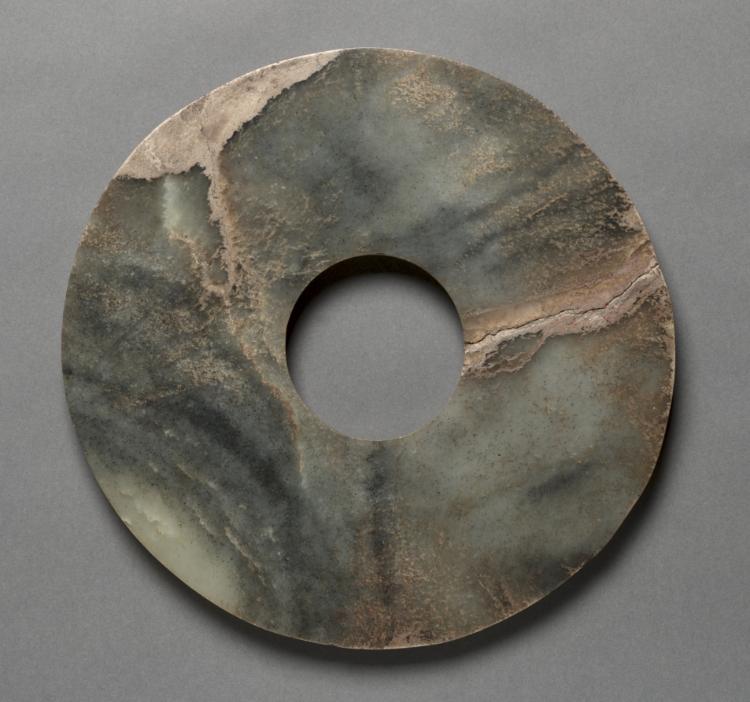
Good photographs can reveal the quiet character of wooden jewelry while helping viewers understand its real proportions and condition. This guide covers simple lighting, neutral backgrounds, useful angles, scale references, close details, restrained editing, and consistent records. Learn to present a bracelet attractively without hiding wear, inventing material certainty, or making a small object look misleadingly large.

Read the story

Wood & Beads · 10 MIN READ

Prayer Beads and Personal Style: Approaching Cultural Context with Respect

A string of beads may be an accessory, a devotional object, a family possession, or several things at once. This guide offers a respectful way to ask about Buddhist prayer beads and related designs without inventing universal rules. Explore terminology, materials, symbols, purchasing questions, gifting, photography, and the difference between personal meaning and unsupported spiritual or health promises.

Read the story

Wood & Beads · 10 MIN READ

Storing Wooden Jewelry at Home: A Simple System for Care, Access, and Memory

A useful jewelry storage system protects objects while making them easy to find and wear. This guide focuses on wooden bracelets and pendants, covering location, compartments, pressure, mixed materials, scent separation, records, and occasional condition checks. Learn to organize a small collection without extreme humidity treatments, crowded displays, forgotten repairs, or packaging that becomes more important than the jewelry.

Read the story

Wood & Beads · 10 MIN READ

Traveling with Wooden Jewelry: Packing, Daily Decisions, and Returning Home

Travel changes the way jewelry is handled, stored, and worn. This guide helps you decide which wooden accessories to bring, pack them without strain, keep records separate, avoid common hotel-room losses, and respond calmly to a problem. It also explains why international material requirements deserve a separate check rather than assumptions based on a bracelet's small size.

Read the story

Wood & Beads · 10 MIN READ

Wood Jewelry Finishes and Patina: Reading a Surface Without Guessing Its History

A wooden bead's sheen can come from polishing, a surface coating, wear, or a combination of processes. Learn to distinguish observable surface qualities from unsupported claims about age and authenticity. This guide explores finish descriptions, patina, practical care, purchasing questions, and repair decisions so you can enjoy changing wood without mistaking every mark for damage or proof of value.

Read the story

Wood & Beads · 10 MIN READ

Wood Jewelry and Moisture: A Practical Care Routine for Real Life

Wooden accessories benefit from simple habits around water, heat, cosmetics, and storage. This guide explains how to organize those habits without turning jewelry care into a complicated ritual. Learn what to ask about finishes, how to respond to accidental dampness, why mixed materials need attention, and when a changed surface or weakened cord deserves professional assessment.

Read the story

Wood & Beads · 10 MIN READ

Wood or Stone Beads? Choosing by Wear, Design, and Care Rather Than Labels

Wood and stone bracelets can share the same simple form while creating very different wearing experiences. This guide compares them through practical questions about weight, texture, impact, moisture, construction, styling, and maintenance. Learn why neither broad category predicts every property, how to evaluate mixed-material designs, and how to choose an accessory that fits your actual routine.

Read the story

Wood & Beads · 10 MIN READ

Inside a Wooden Bead Bracelet: Cord, Knots, Closures, and Repairability

The cord inside a wooden bracelet receives less attention than the beads, yet it determines much of the wearing experience. Explore elastic strands, sliding knots, clasps, drilled holes, spacer placement, and practical signs of wear. This guide helps you ask better construction questions, choose a repairable design, and preserve an arrangement before restringing becomes necessary.

Read the story

Wood & Beads · 10 MIN READ

Beyond Round Beads: Shape, Rhythm, and Comfort in Wooden Jewelry

Round beads are familiar, but cylinders, discs, ovals, cubes, and irregular forms offer different design possibilities. This guide examines how shape changes spacing, movement, grain presentation, tactile feel, and construction. Learn to compare geometric and organic designs through practical details, recognize intentional variation, and choose a strand whose visual rhythm remains comfortable during ordinary wear.

Read the story

Wood & Beads · 10 MIN READ

Wooden Bracelet Fit: Bead Size, Inner Circumference, and Everyday Comfort

A wooden bracelet can look beautifully proportioned in a photograph and feel entirely different on the wrist. Learn how bead diameter, usable inner circumference, cord construction, hand size, and daily movement affect fit. This practical guide helps you measure consistently, compare listings, plan a thoughtful gift, and recognize when resizing is preferable to tolerating an uncomfortable accessory.

Read the story

Wood & Beads · 10 MIN READ

Repairing a Wooden Bracelet: What to Preserve, Replace, and Discuss Before Restringing

A broken cord or damaged bead does not have to end a bracelet's useful life, but a good repair begins with clear decisions. This guide explains how to gather components, document an arrangement, assess sentimental priorities, discuss replacement parts, and review proposed work. Learn when ordinary restringing is appropriate and when a fragile or important object needs more specialized attention.

Read the story

Wood & Beads · 10 MIN READ

Wooden Earrings: Choosing Shape, Movement, Closures, and Comfortable Proportions

Wooden earrings can be subtle, graphic, or sculptural, but their success depends on more than the decorative shape. This guide explores actual weight, attachment points, movement, hardware, edge finishing, pairs, and styling with hair and necklines. Learn to evaluate a design for your own comfort and routine while keeping material descriptions and care expectations clear.

Read the story

Wood & Beads · 10 MIN READ

A Small Wooden Jewelry Rotation: Choosing Pieces by Role, Routine, and Actual Use

A useful accessory capsule is built around real decisions rather than a prescribed number of pieces. This guide shows how to review existing jewelry, identify practical roles, compare near duplicates, plan care, and test a small rotation before buying more. Learn to make wooden accessories easy to choose while preserving variety, personal meaning, and room for changing preferences.

Read the story

Wood & Beads · 10 MIN READ

Wooden Jewelry Provenance: Building a Useful Record from Listing to Heirloom

A place name and an attractive certificate do not tell the whole story of a wooden bracelet. This guide explains how to separate material identity, workshop origin, ownership history, and sustainability claims. Learn which records to request, how to preserve uncertainty honestly, and how to create a clear object file that remains useful through repairs, gifts, and inheritance.

Read the story

Wood & Beads · 10 MIN READ

Choosing a Wooden Pendant: Shape, Suspension, Scale, and the Way It Moves

A wooden pendant is more than a small carved object on a cord. Its shape, attachment, weight, and relationship with clothing determine how it wears. This guide explores front and back finishing, cord length, rotation, neckline placement, hardware, and practical care, helping you choose a pendant that remains appealing when it leaves the display and becomes part of daily dress.

Read the story

Lacquer & Craft · 10 MIN READ

Who Made the Piece? Reading Artisan Attribution in Lacquer Jewelry

A maker's story is most useful when it explains who designed, formed, finished, and assembled a piece. This guide examines attribution in contemporary lacquer jewelry, from studio names and shared production to process photographs and provenance records. It offers fair questions for buyers, avoids treating handwork as a simple label, and explains how to appreciate collaboration without relying on unsupported heritage claims.

Read the story

Lacquer & Craft · 10 MIN READ

How to Assess Lacquer Jewelry Photographs Before Buying

Online photographs reveal useful details about lacquer jewelry, but reflections, scale, and selective views can complicate a decision. This guide explains how to read product images, request missing views, compare dimensions, and distinguish observation from speculation. It also considers color uncertainty, relief patterns, attachment points, condition records, and why a beautiful image cannot establish material identity or authenticate a claimed production method.

Read the story

Lacquer & Craft · 10 MIN READ

Carved Relief and Surface Decoration in Lacquer Jewelry

A raised motif does not reveal its entire production story. This guide distinguishes questions about carved lacquer, shaped supports, incised details, and decoration applied to a surface. It offers a careful way to read contemporary jewelry descriptions, understand relief as both image and physical form, and appreciate different approaches without assuming that visual complexity or a familiar historical reference establishes a particular technique.

Read the story

Lacquer & Craft · 10 MIN READ

Choosing Lacquer Earrings for Comfort, Movement, and Scale

Lacquer earrings combine a visible decorative body with a fastening that determines much of the wearing experience. This guide examines drop, width, balance, pair matching, hair and collar contact, and skin-contact materials. It provides a grounded way to compare product information and trial a design, with particular attention to the difference between an appealing lightweight claim and comfort for an individual wearer.

Read the story

Lacquer & Craft · 10 MIN READ

Choosing Lacquer Jewelry as a Thoughtful Gift

A successful jewelry gift respects the recipient's preferences, routines, and comfort. This guide considers lacquer accessories through practical questions about scale, color, fastenings, material information, and care. It also explores respectful ways to explain craft references, preserve a surprise without guessing every detail, prepare useful documentation, and make exchanges straightforward so that a distinctive object can become a welcome part of someone's life.

Read the story

Lacquer & Craft · 10 MIN READ

Choosing a Lacquer Pendant: Shape, Suspension, and Everyday Proportion

A pendant is both a decorative object and a suspended form. This guide explores lacquer pendants through silhouette, thickness, balance, cord choice, neckline placement, and movement. It offers a practical way to compare designs with familiar clothing, understand product measurements, and ask about attachments, helping a buyer choose a piece that remains useful beyond the carefully arranged view in a product photograph.

Read the story

Lacquer & Craft · 10 MIN READ

Keeping a Useful Record of Contemporary Lacquer Jewelry

A small, accurate record can preserve a lacquer accessory's identity, care information, and personal history. This guide explains what to save, how to photograph condition, and how to distinguish documented facts from memories or assumptions. It also considers repairs, gifts, changing online listings, and responsible sharing of records, without suggesting that every contemporary piece needs an elaborate provenance or financial valuation.

Read the story

Lacquer & Craft · 10 MIN READ

Daqi, Urushi, and Lacquer: Reading Jewelry Terms Carefully

Lacquer terminology can describe a material, a technique, a finished object, or a broad visual effect. This guide helps readers interpret daqi, urushi, and English retail descriptions without treating related words as interchangeable guarantees. It considers translation, regional context, production claims, mixed materials, and the questions that turn an unfamiliar label into useful information about a contemporary piece of jewelry.

Read the story

Lacquer & Craft · 10 MIN READ

Choosing a First Lacquer Accessory and Building a Coherent Collection

A first lacquer accessory is an opportunity to learn what shapes, surfaces, and wearing habits suit you. This guide offers a deliberate selection process based on existing clothing, practical comfort, material information, and manageable care. It then considers how a small collection can develop through distinct roles and informed choices, without chasing completeness, speculative value, or a fixed idea of what every jewelry wardrobe should contain.

Read the story

Lacquer & Craft · 10 MIN READ

Lacquer Bead Bracelets: Fit, Cord Construction, and Daily Use

A bead bracelet depends on more than its visible finish. This guide examines lacquer beads through wrist fit, bead size, interior clearance, cord or clasp construction, and contact during everyday tasks. It explains useful seller questions, practical measurement limits, and careful handling, while avoiding assumptions that a natural surface guarantees durability, comfort, or any particular spiritual function for the wearer.

Read the story

Lacquer & Craft · 10 MIN READ

Lacquer Brooches: Placement, Fastening, and Garment Support

A brooch depends on the garment that carries it. This guide considers lacquer brooches through weight, pin position, balance, textile support, and movement, with practical ways to assess a design before wearing it on delicate clothing. It also examines alternative placements, interaction with scarves and bags, storage, and service questions, helping a distinctive object become an intentional part of an outfit.

Read the story

Lacquer & Craft · 10 MIN READ

Caring for Lacquer Jewelry Without Overcleaning It

A practical guide to caring for finished lacquer jewelry, with attention to delicate surfaces, mixed materials, storage, and changes that deserve professional assessment. Learn how to build a restrained routine, keep useful condition records, and avoid common cleaning experiments. The focus is on everyday decisions an owner can make without treating jewelry as a workshop project or assuming that every lacquer finish behaves alike.

Read the story

Lacquer & Craft · 10 MIN READ

A Chip in Lacquer Jewelry: Deciding What to Do Next

A chip, lifted edge, or loose attachment calls for a measured response. This guide explains how to document a change, preserve fragments, pause wear, and seek an appropriate assessment without attempting a home repair. It considers cosmetic and structural concerns, repair expectations, cost decisions, and the information a maker or conservator needs to discuss realistic options for a mixed-material accessory.

Read the story

Lacquer & Craft · 10 MIN READ

Beneath the Finish: Lacquer Jewelry Cores, Weight, and Comfort

The hidden support of lacquer jewelry influences how a piece hangs, moves, and feels. This guide considers wooden and metal cores, hollow and solid forms, balance, edge profiles, and attachment placement. It explains how to compare finished measurements and ask useful construction questions without assuming that one support is always superior or that a lightweight description guarantees comfort for every wearer.

Read the story

Lacquer & Craft · 10 MIN READ

Gloss, Texture, and Depth: Comparing Lacquer Jewelry Surfaces

A glossy finish is only one way lacquer jewelry can express material and form. This guide compares smooth, matte, textured, carved, and visually layered surfaces through light, scale, and everyday use. It explains how to observe a finish without guessing its production method, distinguish intentional variation from a condition question, and choose a surface that works with the wearer's clothing and care habits.

Read the story

Lacquer & Craft · 10 MIN READ

Beyond the Layer Count: Understanding Lacquer Jewelry Process Claims

Layer counts and long production times can make a craft description sound impressive, but numbers need context. This guide explains how to read process claims in lacquer jewelry, connect preparation and decoration to the finished design, and compare clear information fairly. It considers labor, shared production, documentation, uncertainty, and practical quality without turning a single statistic into a guarantee of authenticity or value.

Read the story

Lacquer & Craft · 10 MIN READ

Natural Lacquer Jewelry: What the Material Description Should Tell You

Explore natural lacquer jewelry through its material description, underlying structure, surface finish, and everyday use. This guide explains the questions worth asking before choosing a piece, the limits of photographs, and the difference between an appealing craft story and a documented process. It also considers comfort, maintenance, personal taste, and the records that help an owner understand an object over time.

Read the story

Lacquer & Craft · 10 MIN READ

Open Forms and Negative Space in Sculptural Lacquer Jewelry

An opening can shape jewelry as strongly as its solid surface. This guide explores rings, arcs, loops, and other open lacquer forms through silhouette, background, movement, and practical handling. It considers why a sculptural accessory can appear visually light without necessarily weighing less, how clothing changes the design, and what to ask about construction, attachments, storage, and everyday comfort.

Read the story

Lacquer & Craft · 10 MIN READ

Pairing Lacquer Jewelry with Silver and Silk

Lacquer, silver, and silk offer different kinds of reflection, texture, and movement. This guide explores how to combine them through proportion and practical placement, from a quiet pendant with small silver earrings to a scarf-led outfit. It also considers snagging, contact between materials, separate care routines, and the value of choosing a clear focal point without turning a contemporary combination into an invented cultural rule.

Read the story

Lacquer & Craft · 10 MIN READ

Red and Black Lacquer Jewelry in a Minimal Wardrobe

Red and black lacquer jewelry can bring depth to a small wardrobe without requiring elaborate styling. This guide considers scale, sheen, neckline, texture, and repeated color, using practical outfit examples rather than rigid fashion rules. It also explains how to choose between a quiet accent and a focal piece, assess online color, and keep a distinctive accessory comfortable and useful across different settings.

Read the story

Lacquer & Craft · 10 MIN READ

Traveling with Lacquer Jewelry: Packing, Wearing, and Returning Home

Travel puts jewelry into unfamiliar bags, rooms, and routines. This guide develops a practical plan for lacquer accessories, covering selection, compartment design, packing pressure, daily removal, changing activities, and condition checks after returning home. It focuses on preventing avoidable handling problems and preserving useful records, while recognizing that a beautiful piece may sometimes be better left for another occasion.

Read the story
Silver · 10 MIN READ

A Conservative Cleaning Plan for Silver Jewelry

Before choosing a cleaner, identify the piece, its finish, and the change you want to address. This guide explains a cautious sequence of inspection, maker-specific instructions, limited routine care, and professional assessment when needed. It gives special attention to plated, engraved, and mixed-material jewelry, helping owners avoid shortcuts that create shine while changing the object they meant to preserve.

Read the story

Silver · 10 MIN READ

Building a Small Silver Jewelry Wardrobe Around Real Use

A small jewelry wardrobe works when each piece has a clear role and feels comfortable in ordinary life. Explore how to audit what you own, identify useful gaps, coordinate silver finishes, and avoid buying near-duplicates that remain unworn. This guide offers a flexible approach to choosing fewer, more usable pieces without imposing a fixed list or a single definition of minimalist style.

Read the story

Silver · 10 MIN READ

Comfortable Clasps: Choosing Silver Jewelry You Can Fasten with Ease

A necklace or bracelet is only as convenient as its fastening. This guide looks at clasp size, handling space, position, and everyday usability, with special attention to independent dressing and limited dexterity. Learn how to assess closures without assuming that a familiar design is automatically secure, and discover which questions can make a jewelry purchase more comfortable.

Read the story

Silver · 10 MIN READ

Designing an Engraved Silver Pendant: Motif, Space, and Personal Detail

An engraved pendant works best when its outline, lettering, motif, and suspension are planned together. Explore a clear commissioning process that begins with purpose and moves through scale, layout, proofs, and approval. This guide uses explicitly hypothetical design examples to explain choices without presenting them as real products, and focuses on creating a coherent wearable object rather than filling every available surface.

Read the story

Silver · 10 MIN READ

Hand Engraving and Cast Motifs: Reading a Silver Pendant’s Surface

A detailed surface can come from several different making processes. Explore the distinctions between hand engraving, casting, stamping, and related finishing choices without turning them into a simplistic quality ranking. This guide offers practical questions for makers, explains the limits of photographs, and considers how technique affects customization, daily wear, repair, and the character of a silver pendant.

Read the story

Silver · 11 MIN READ

Matching a Silver Chain to a Pendant: Fit, Movement, and Proportion

The right chain does more than carry a pendant. Its links, end fittings, length, and clasp determine whether the combination feels balanced and moves comfortably. Learn how to check a bail opening, compare chain profiles, recognize compatibility problems, and confidently ask useful questions before buying a replacement chain for a treasured silver or mixed-material pendant.

Read the story

Silver · 10 MIN READ

Pairing Silver with Jade: Contrast, Setting, and Everyday Wear

Silver and jade can create a quietly modern combination, but the relationship depends on more than color. Consider setting structure, stone profile, metal finish, chain balance, and the difference between wearing separate pieces together and buying a mixed-material object. This guide keeps material identification and care in view while exploring a flexible, personal approach to styling.

Read the story

Silver · 10 MIN READ

Planning a Silver Jewelry Repair: Questions Before Work Begins

A successful repair starts with a clear description of the problem and an agreement about what should be preserved. Learn how to prepare a silver piece for assessment, compare repair options, discuss replacement parts and surface changes, and review the finished work. This guide gives special attention to sentimental objects, mixed materials, and the distinction between restoring function and changing appearance.

Read the story

Silver · 11 MIN READ

Polished, Brushed, and Textured Silver: Choosing a Surface Finish

A surface finish can make the same silver form feel crisp, quiet, tactile, or expressive. Compare polished, brushed, hammered, and mixed finishes through ordinary light, clothing, and wear rather than a single studio photograph. This guide explains what to ask about consistency, maintenance, refinishing, and visual balance before choosing a surface you will live with every day.

Read the story

Silver · 11 MIN READ

Preserving Engraving on Silver Jewelry: Lettering, Detail, and Memory

An inscription or fine engraved motif can be the most important part of a silver object, even when it sits out of sight. Learn how to document lettering, distinguish legibility from brightness, discuss repairs without automatic refinishing, and approach worn detail carefully. This guide helps owners preserve both the physical marks and the information connected with them over time.

Read the story

Silver · 10 MIN READ

Reading Silver Jewelry Photographs: Useful Evidence and Clear Limits

Product photographs can reveal shape, detail, and construction, but they also reflect choices about light, angle, scale, and editing. Learn how to evaluate silver jewelry images, request the views that answer practical questions, and recognize what a photograph cannot establish. This guide helps remote shoppers connect attractive presentation with measurements, material descriptions, condition records, and a workable return process.

Read the story

Silver · 11 MIN READ

Silver and Wood Jewelry: Balancing Texture, Weight, and Care

Warm-looking wood and cool-looking silver offer a rich range of contrasts, from a single spacer bead to a sculptural pendant. Explore how to assess a mixed-material design, coordinate separate pieces, and recognize the care questions that arise when finishes and fastenings meet. This guide emphasizes clear material descriptions and comfortable daily use over vague promises about natural energy.

Read the story

Silver · 10 MIN READ

Silver Hallmarks: What a Small Mark Can and Cannot Tell You

A tiny stamp can start a useful investigation, but it cannot supply an entire history by itself. Learn to distinguish a fineness number from a fuller hallmark, document worn marks carefully, and separate metal information from claims about origin, age, craftsmanship, and value. This guide offers a measured approach to researching silver jewelry without destructive home tests or confident guesses.

Read the story

Silver · 10 MIN READ

Silver Jewelry Provenance: Following the Object and Its Claims

Provenance can refer to an object’s ownership history, its manufacturing journey, or the source of its materials, and those questions need different evidence. Learn how to read maker stories, recycled-content statements, regional associations, and secondhand records with care. This guide offers a practical way to ask proportionate questions while keeping documented facts separate from appealing but unverified narratives.

Read the story

Silver · 10 MIN READ

Silver Patina: Reading Surface Change Without Rushing to Polish

A darkened silver surface may reflect deliberate finishing, ordinary tarnish, accumulated residue, or several changes at once. Learn how to describe what you see, ask about the original design, and decide whether any intervention is appropriate. This guide treats patina as a matter of appearance, material history, and personal preference rather than a simple choice between shiny and neglected jewelry.

Read the story

Silver · 10 MIN READ

Silver Pendant Proportion: Choosing Shape, Scale, and Neckline

A pendant’s dimensions mean little without the clothing and chain around it. Explore how scale, negative space, profile, and resting position shape the way silver jewelry looks and feels. This guide offers practical fitting methods for remote shopping and everyday dressing, without treating body types or personal style as fixed rules that everyone must follow.

Read the story

Silver · 10 MIN READ

Sterling and Fine Silver: Choosing Metal for the Way You Wear Jewelry

Understand the practical differences between sterling and fine silver before choosing an everyday pendant, ring, or chain. This guide explains purity descriptions, construction, finish, wear, and the questions that matter more than a premium label. Learn how to connect a metal specification to your own routine while keeping identification, comfort, and long-term care in perspective.

Read the story

Silver · 10 MIN READ

Sterling Silver and Silver Plate: Reading the Whole Construction

A silver-colored surface can cover several different constructions, and the distinctions affect expectations, care, and repair. Learn how to read descriptions of sterling, silver plate, and coated silver without relying on color alone. This guide offers useful questions about underlying materials, component scope, wear, and service, helping you compare complete objects rather than a few attractive words in a listing.

Read the story

Silver · 10 MIN READ

Storing Silver Jewelry: Separation, Support, and a Useful Daily Routine

Good jewelry storage is less about an elaborate box than about preventing avoidable contact, pressure, and confusion. Build a practical arrangement for silver chains, pendants, rings, and mixed-material pieces, then learn how to evaluate pouches, compartments, and anti-tarnish claims. This guide also covers inspection habits, repair separation, and records that make a small collection easier to care for.

Read the story

Silver · 11 MIN READ

Choosing a Silver Jewelry Gift with the Recipient in Mind

A thoughtful jewelry gift begins with the person who will wear it, not the message on the box. Learn how to consider style, sizing, closures, material descriptions, personalization, and exchange options. This practical guide explains how to preserve the meaning of a gift while giving the recipient room to choose comfort, fit, and a design that belongs in their own wardrobe.

Read the story

Silver · 10 MIN READ

Traveling with Silver Jewelry: A Practical Plan from Packing to Return

A small, well-chosen jewelry selection can make travel dressing easier without turning packing into a complicated project. Learn how to assess pieces before departure, separate chains and pendants, plan for transport handoffs, and create a usable routine away from home. This guide focuses on everyday handling and clear records while directing travelers to current official requirements when rules or material restrictions matter.

Read the story

Silk & Style · 10 MIN READ

Choosing Motif-Rich Scarves with Curiosity and Cultural Care

Flowers, birds, landscapes, and abstract forms can carry histories that extend beyond their decorative appeal. This guide offers a careful method for researching a scarf design, reading maker descriptions, distinguishing personal associations from documented meanings, and choosing gifts or outfits without reducing diverse traditions to a single spiritual story. It also explains when uncertainty should remain part of the description.

Read the story
Silk & Style · 10 MIN READ

Choosing a Silk Scarf Size for the Way You Actually Dress

Scarf dimensions make sense when they are connected to a real neckline, a preferred fold, and the amount of fabric you enjoy wearing. Learn how to compare small squares, larger squares, and long rectangles using simple measurements, outfit trials, and practical considerations that go beyond a product photograph or a familiar styling formula for everyday dressing.

Read the story

Silk & Style · 10 MIN READ

Choosing Silk Twill for a Defined Fold and a Clear Printed Design

Silk twill is often chosen for printed squares, but the name does not guarantee one fixed weight or drape. This guide focuses on evaluating a particular twill scarf through folded volume, diagonal surface, border placement, corners, reverse visibility, and garment trials. It explains how to compare two pieces without assuming that a more substantial cloth is automatically the better choice.

Read the story

Silk & Style · 11 MIN READ

Contemporary Minimalist Accessories with an Informed Eastern Design Reference

Minimalist styling can draw on a specific design reference without reducing diverse cultures to a single aesthetic. This guide focuses on proportion, visible space, surface contrast, restrained color, and accurate attribution. It develops practical outfits using silk, silver, stone, lacquer, or wood while keeping cultural context separate from personal preference and avoiding unsupported claims about spiritual effects or universal rules.

Read the story

Silk & Style · 10 MIN READ

Documenting a Silk Scarf's Story Without Inventing Its Provenance

A scarf's story can include a maker, a purchase, a family memory, and unanswered questions. This guide explains how to preserve those different kinds of information without turning recollection into certainty. Learn to build a modest object record, photograph useful details, evaluate seller statements, document repairs, and pass a textile onward with an accurate account of what is known.

Read the story

Silk & Style · 10 MIN READ

Habotai Scarves: Choosing Lightness, Soft Color, and an Easy Drape

Habotai can offer a light, softly moving alternative to a more substantial printed square, but the name alone does not describe every scarf. This guide examines translucency, layered color, folded volume, edge behavior, and practical wardrobe roles. It also explains how to ask for useful product information and assess a lightweight scarf without confusing delicacy with poor quality or assuming uniform performance.

Read the story

Silk & Style · 10 MIN READ

A Practical Home Storage System for Silk Scarves

Good scarf storage should make an accessory easy to find without forcing delicate cloth through crowded compartments. This guide develops a practical home system for everyday pieces, occasional wear, and significant inherited textiles. It explains how to assess a storage location, choose suitable materials, separate hardware, keep useful records, and review condition without turning a small collection into an elaborate display.

Read the story

Silk & Style · 10 MIN READ

Packing Silk Scarves for Travel with Less Friction and Fuss

A travel scarf works best when it is selected for real outfits and packed as a delicate textile rather than squeezed into a spare corner. This guide covers choosing a small useful selection, separating jewelry and liquids, planning arrival care, keeping records, and adapting scarf arrangements to transport, weather, and daily movement without relying on elaborate packing tricks.

Read the story

Silk & Style · 11 MIN READ

Pairing Silver Jewelry with Silk Through Finish, Scale, and Color

Silver and silk can form many relationships, from a quiet pale palette to a strong contrast between dark cloth and polished metal. This guide focuses on visual choices rather than a universal matching formula. Explore finish, scale, engraving, necklace length, scarf borders, earring placement, and complete outfit trials to give each material a clear role while keeping the arrangement comfortable.

Read the story

Silk & Style · 10 MIN READ

A Care-First Approach to a Printed Silk Scarf

Printed silk deserves a care plan based on the finished scarf rather than a universal cleaning recipe. This guide explains how to preserve instructions, assess condition, prevent ordinary exposure, respond to a fresh mark, and prepare useful questions for a professional cleaner. It also distinguishes a wearable contemporary accessory from a fragile or historically significant textile requiring specialist attention.

Read the story
Silk & Style · 10 MIN READ

Reading a Silk Scarf Label Without Filling in the Gaps

Fiber content, origin, care instructions, and maker information answer different questions about a scarf. This guide shows how to read those statements together, distinguish documented facts from decorative language, preserve useful purchase records, and ask a seller for clarification. It also explains why appearance, packaging, and a confident product description cannot establish every claim about a textile.

Read the story
Silk & Style · 11 MIN READ

Styling a Silk Satin Scarf Around Light, Reflection, and Movement

A satin surface changes as it turns toward and away from light, so its role in an outfit is different from a flat color swatch. This guide explores reflected highlights, folds, background garments, print visibility, and nearby materials. It shows how to evaluate a particular silk satin scarf through realistic viewing rather than treating shine as a universal measure of quality.

Read the story
Silk & Style · 10 MIN READ

What a Silk Scarf Hem Can Tell You About Construction

A scarf edge is both a finishing detail and a working part of the textile. This guide explains how to inspect rolled hems, machine stitching, corners, tension, and small irregularities without turning one construction feature into a universal quality test. It also covers online photographs, condition questions, repair discussions, and the difference between process claims and observable workmanship.

Read the story
Silk & Style · 10 MIN READ

Building a Silk Scarf Palette Around the Clothes You Own

A well chosen scarf can connect familiar clothes without requiring an entirely new wardrobe. This guide develops a practical approach to background colors, borders, contrast, scale, lighting, and nearby jewelry. It also explains how to judge a complicated print in a simple fold and how to evaluate color preferences without relying on rigid personal color rules or trends.

Read the story
Silk & Style · 11 MIN READ

A Mark on a Silk Scarf: Assessing What Happened Before Choosing Care

A visible mark does not identify its cause or determine the safest treatment. This guide offers a measured way to document a spill, distinguish known facts from guesses, protect the scarf from further contact, and prepare a useful conversation with a cleaner or textile specialist. It explains why a clear history can matter more than a rapid sequence of household remedies.

Read the story
Silk & Style · 10 MIN READ

Wearing Silk Scarves Across Seasons Without Following a Fixed Calendar

Seasonal scarf choices become more useful when they respond to clothing, weather, travel, and personal comfort rather than a rigid color calendar. This guide explores changing fabric volume, visible print, outerwear, jewelry, and daily routines through warmer and cooler conditions. It also explains how to adapt a familiar scarf before assuming that every season requires a different accessory.

Read the story
Silk & Style · 10 MIN READ

Silk, Twill, and Satin: How to Read a Scarf Fabric Description

A scarf description becomes more useful when you separate its fiber, weave, weight, finish, and construction. This guide explains what those terms can tell you, what they leave uncertain, and how to translate them into practical questions about drape, shine, folding, jewelry contact, and everyday wear before choosing a silk accessory for your everyday personal wardrobe.

Read the story
Silk & Style · 10 MIN READ

Simple Silk Scarf Arrangements That Stay Comfortable

A useful scarf arrangement should suit the cloth, leave comfortable space, and be easy to undo. This guide develops a small set of gentle folds and loose fastening options, explains how to test them with real clothing, and shows how to solve slipping or excess volume without pulling the scarf tighter. The emphasis is repeatable everyday dressing rather than elaborate knots.

Read the story
Silk & Style · 11 MIN READ

Building a Small Accessory Wardrobe with Silk, Silver, and Natural Materials

A compact accessory wardrobe is useful when each piece has a clear role and works with clothes you already wear. This guide develops a practical inventory, distinguishes versatile favorites from imagined possibilities, and explores how silk, silver, stone, and wood can complement one another. It includes outfit testing, maintenance capacity, thoughtful additions, and a realistic review process without prescribing a fixed number of possessions.

Read the story
Silk & Style · 10 MIN READ

Giving a Silk Scarf That Respects the Recipient's Style

A thoughtful scarf gift begins with the recipient's habits, not with an assumption that one luxurious accessory suits everyone. This guide explores observation, color, size, symbolism, care requirements, presentation, and exchange options. It also offers ways to make a personal connection without inventing a cultural story, prescribing a new identity, or turning the gift into an obligation to wear it.

Read the story
Silk & Style · 10 MIN READ

Wearing Silk with Jewelry Without Inviting Snags
Silk and jewelry can share an outfit beautifully when their contact points are considered as carefully as their colors. Learn to inspect chains, clasps, settings, engraved surfaces, and scarf hardware, then arrange your accessories so the textile can move comfortably. This practical guide also explains what to do when a thread catches and when professional advice is appropriate.
Read the story