AT A GLANCE
A dark bead bracelet can look simple while containing many design decisions. Explore how obsidian beads move around the wrist, meet sleeves and desks, interact with metal accents, and depend on hidden stringing. This guide connects a restrained visual rhythm with practical wearing habits, maintenance planning, and the differences between a display photograph and daily use.
A bracelet is a moving arrangement
An obsidian bracelet may appear to be a straightforward circle of black beads. During wear, that circle is continually changing. Beads turn, the strand shifts, a clasp moves toward the underside of the wrist, and reflections travel across curved surfaces. The design therefore exists in movement as much as in a still photograph. A satisfying bracelet balances the visual rhythm of its components with the way those components behave during ordinary actions.
Begin by thinking about your routine. Do you spend hours at a desk, work with your hands, wear close-fitting cuffs, or remove jewelry frequently? These habits influence which format will be comfortable and practical. Obsidian's dark surface can create a strong visual line, but it is still volcanic glass with limits that deserve respect. Choosing a bracelet means considering those limits alongside the appeal of a simple black accent, rather than assuming a substantial appearance guarantees resistance to impact.
Curved beads break reflections into a rhythm
Round polished beads reflect small areas of the room around them. Together they can create a sequence of bright points against dark surfaces. This is different from the broad reflection of a flat pendant. The bracelet's visual activity may come mainly from those repeated highlights, especially when the beads are otherwise similar. Look at a full-wrist image to understand the effect, because a close-up can exaggerate the drama of each individual reflection.
Bead size changes that rhythm. Small beads can create a fine, continuous line; larger beads produce more distinct rounded units and occupy more space away from the wrist. Neither scale is automatically more minimal. A large, simple strand can be visually restrained but physically prominent, while several rows of tiny beads can feel more complex. Choose according to the balance you want between a clear silhouette, visible individual components, and unobtrusive movement.
Fit should support the intended behavior
A close-fitting bracelet stays relatively near its intended position, while a looser one moves farther toward the hand. That movement affects both appearance and contact. If a strand repeatedly reaches the base of the palm, it may meet surfaces more often. If it is too tight, it may feel restrictive or place unnecessary stress on elastic. The right fit depends on the construction and your preference, so clarify the seller's sizing method rather than relying on a familiar size label.
Measure the wrist at the intended wearing position and tell the seller how much movement you prefer. Ask whether the listed size is internal circumference, overall strand length, or recommended wrist size. Large beads make these distinctions especially important. A comfortable reference bracelet can help, but compare its construction as well as its dimensions. A flat metal chain and a thick bead strand can behave differently even when their listed lengths look similar.
The underside of the wrist deserves attention
The top of the wrist receives most of the attention in product photographs, but the underside often meets a desk or table. A large bead, clasp, or decorative element placed there may create pressure during typing or writing. Try the bracelet in those positions if you can. Notice whether the strand rotates naturally and whether any component becomes uncomfortable when the wrist rests. A design that is pleasant while standing may feel different during a long seated task.
If a bracelet is intended for occasional rather than all-day wear, those demands may be acceptable. The important point is to choose knowingly. You might remove it for desk work and enjoy it at other times, or select a smaller scale for regular use. Avoid treating the need to remove jewelry as a failure of the object. Different accessories serve different routines, and a clear understanding of use can be more useful than a broad claim that one design suits every activity.
Sleeves create a moving boundary
A bracelet interacts with a cuff repeatedly as the arm bends. Large beads may hold a sleeve above them, while a smaller strand may slip underneath. Rough fittings or projecting charms can catch knitwear. Consider the garments you wear most often and test the relationship gently. A plain, smooth cuff may frame the dark beads neatly, but the combination should remain comfortable when you reach, bend, or put on an outer layer.
Season changes this relationship. A strand that is discreet beneath a winter sleeve becomes more visible with short sleeves, and a design chosen for summer may feel crowded under a fitted coat cuff. You do not need a separate bracelet for every season, but you may choose different wearing occasions. The bracelet's scale and construction remain the same; the surrounding clothing changes how they are experienced. Good styling includes that practical change, not just the colors in an outfit.
Elastic provides convenience with a maintenance obligation
A stretch strand can offer a clean visual line without a visible closure. Its ease of use depends on elastic that remains in suitable condition and holes that do not damage it. The stringing is a working component, not an invisible permanent guarantee. Ask what maintenance is expected and whether restringing is available. A seller who can discuss those details gives you more useful information than one who describes only the beads' polished appearance.
Roll an elastic bracelet gently over the hand rather than stretching one section into a long loop. Avoid catching it on handles or pulling it while removing clothing. If the strand becomes unusually loose, shows fraying, or changes around the knot, stop wearing it until it can be assessed. Keep any loose beads together if a break occurs. The material may remain usable even when the stringing needs replacement, so preserving the components and original arrangement can support a sensible repair.
A clasp changes both line and handling
A clasp can create a defined fit and reduce the need to stretch the bracelet over the hand. It also adds components that need to be operated and inspected. Try the fastening with the hand you will use at home. A tiny clasp may preserve a delicate appearance but be difficult to manage. A larger one may be convenient yet become a visible part of the composition. Neither choice is inherently better; the design should suit the wearer.
Ask what metal is used in the clasp, connectors, spacers, and any decorative elements. A single metal named in the title may not describe every component. This matters for care and for known sensitivities. Look at how the stringing meets the closure and whether the transition appears smooth and purposeful. Do not pull hard to test it. If a connection seems loose or distorted, seek an assessment rather than trying to prove security through force.
Metal accents can organize the dark field
A few metal spacers can interrupt a black strand and create a deliberate rhythm. Repeated accents produce one effect; a single focal element produces another. Consider whether the metal's scale relates to the beads. A very large accent may dominate the bracelet, while tiny bright spacers may create a fine sparkle that competes with the bead highlights. Look at the complete strand from normal distance to see which pattern becomes most visible.
Finish matters as much as metal color. Polished components add sharp reflections, brushed surfaces are quieter, and darkened metal can blend with the beads. A design can be restrained without being entirely uniform, provided the contrast has a clear role. Also consider contact between components. A spacer should be appropriate to its neighbors and the stringing. The visual arrangement and the physical interfaces are parts of the same design rather than separate questions.
Stacking creates physical consequences
Several bracelets can create an appealing layered composition, but their surfaces may rub or collide. An obsidian strand beside a watch, metal cuff, or harder stone bracelet should be evaluated for contact as well as color. A loose arrangement may allow more movement; a crowded one may keep objects pressing together. If protecting a particular finish matters, wearing pieces separately or on different wrists may be more practical than trying to preserve a photographically pleasing stack.
Visually, one dark strand can act as a boundary between lighter materials or connect with a watch strap. More is not automatically more coherent. Try the combination during ordinary movements and listen as well as look; repeated contact may become distracting even when the arrangement appears balanced. A successful stack is one you enjoy wearing, not merely one that looks complete in a still image. Removing one piece can improve both comfort and clarity without diminishing the remaining jewelry.
Patterned obsidian changes the composition
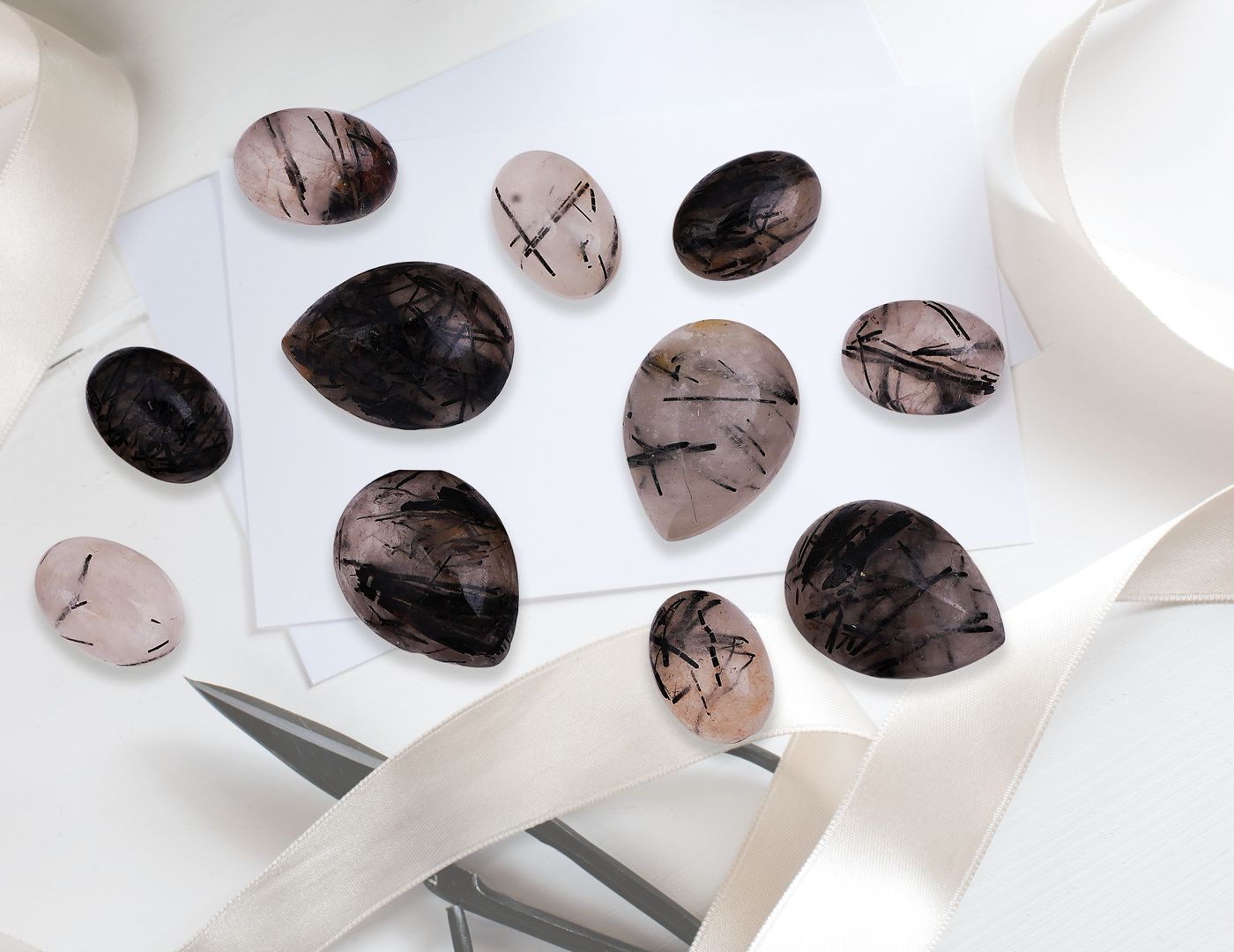
If the bracelet uses snowflake or another described variety, the internal appearance adds a second pattern to the repeated bead shapes. Decide whether you prefer a mostly dark strand, a balanced mixture, or a strongly patterned effect. Ask for the exact bracelet or a clear explanation of representative variation. A few dramatic beads at the front of a display image may not describe the whole strand, so request a view of the remaining sections.
Do not treat visible pattern as a complete identification method. A written material description and appropriate evidence remain relevant. If a seller makes a specific claim about a variety, treatment, or origin, ask how that claim is supported. You can choose the bracelet mainly for its appearance while keeping uncertainty explicit. The visual appeal of a natural-looking pattern does not require you to accept every stronger story attached to it.
Remove the bracelet for unsuitable activities
Activities involving impact, catching, heavy pressure, or household chemicals are sensible times to remove jewelry. A bracelet is especially exposed because the hands and wrists interact with the environment frequently. Do not assume that a stone's polished surface makes the complete strand waterproof or suitable for sports. The elastic, cord, metal, and any finishes all have their own limitations, and the risk of losing the piece may matter as much as the risk of visible damage.
Choose a safe temporary storage place when removing it. A bracelet placed beside a sink or loose in a bag can meet a different set of hazards immediately. A small clean pouch or compartment makes the removal habit more practical. The goal is not constant anxiety about the object. It is a routine that reduces predictable stress and allows the bracelet to be enjoyed in settings for which its construction is appropriate.
Inspect changes without creating a home test
If you notice a new rough area, pale mark, or unusual movement, look under good light and compare with earlier photographs if available. A reflection, residue, scratch, or chip can be difficult to distinguish remotely. Describe what you see and ask for advice. Do not scrape, heat, or strike a bead to establish its condition or identity. Such actions can damage the object and may create sharp fragments without answering the original question.
Stop wearing a piece with a suspected sharp chip or failing connection until it can be assessed. Keep all components together and avoid running a finger along a questionable edge. A suitable professional can discuss repair or replacement. The right outcome may be restringing, replacing one component, redesigning the strand, or retiring it from wear. Maintaining the object responsibly means allowing the assessment to guide the decision rather than insisting every bracelet must be restored exactly.
Keep care modest and construction-specific
A soft clean cloth may be sufficient for routine surface care, but follow the maker's guidance for the assembled bracelet. Do not assume that a cleaning method used on another black stone or another piece of glass is suitable here. Immersion, strong cleaning products, steam, and ultrasonic methods can affect components differently. If a mark persists after gentle permitted care, ask about it rather than escalating through increasingly aggressive household remedies.
Store the bracelet separately so it is not rubbed by neighboring jewelry or stretched around an oversized display form. Keep the receipt, material description, and a photograph of the full arrangement. Those details support future maintenance and make it easier to replace a lost component coherently. Care is not just a matter of keeping the beads glossy. It includes preserving the structure that allows them to remain a wearable circle.
Choose an ordinary rhythm you enjoy
An obsidian bracelet can be a strong visual accent precisely because its form is simple. Repeated dark curves, small reflections, and a considered fit may be enough. It does not need a claim about absorbing harm or changing energy to justify its place in a wardrobe. Personal symbolism can remain personal, while the actual object is chosen through appearance, comfort, construction, and clear information.
The best assessment happens across a normal sequence of movements: dressing, sitting, reaching, and removing the piece. If the bracelet behaves comfortably and its maintenance makes sense, its simple appearance gains practical depth. The hidden stringing, the size of the beads, and the relationship with a sleeve become part of the design's success. Choosing with those details in mind turns a dark strand from a display image into an accessory that fits the way you live.
References & further reading
References provide background and further reading. Linked organizations do not endorse or certify this publication.
For general education. The identity, treatments, construction, and condition of an individual object may require professional examination. Our editorial approach.
Back to the beginning